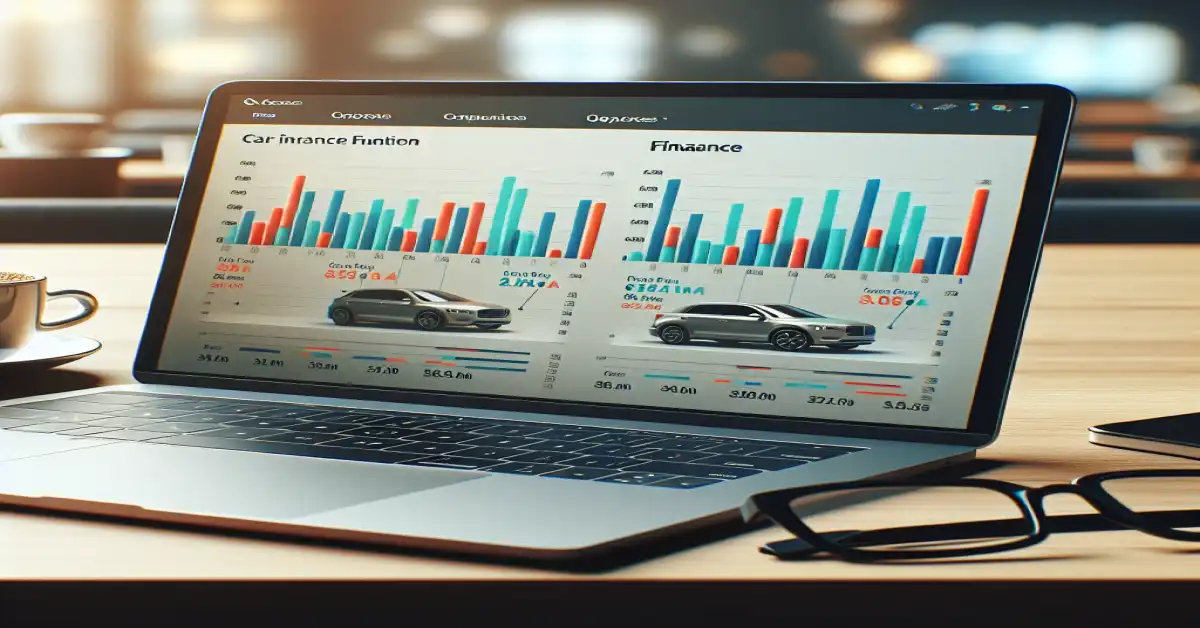
Label your “car in finance” transaction categories clearly. This helps with budgeting and year-end reports.
For faster loan approvals, have digital copies of your driver’s license, proof of income, and insurance ready.
🧠 Common Pitfalls & How to Avoid Them
Don’t just compare monthly payments—always check the total amount paid over your loan’s life. This often surprises people like Jamie, who realized her “good deal” cost $3,000 more in interest.
Avoid accepting add-ons you don’t need, like extended warranties. These can inflate costs and complicate your financial tracking.
Watch out for prepayment penalties. Some lenders charge fees if you pay off early. Read the fine print, or consult resources such as Cars.com finance for more clarity.
📈 Optimization & Efficiency Advice
Automate your loan payments to avoid late fees. Most finance apps allow for auto-deduction right from your checking account.
Schedule regular check-ins—maybe monthly—to review balances. Use reminders in your tech stack for consistency.
Maria used a spreadsheet to compare offers from Santander Consumer USA and her local bank. She saved over $1,200 by spotting a lower interest rate.
Jordan set up auto-pay in his budgeting app after a missed payment. He now gets instant reminders and has never paid a late fee since.
Using digital workflows streamlines tracking and gives peace of mind. Integrating your car loan into your main finance dashboard keeps everything visible and under control.
🕹️ Tech Insights & Best Practices
Integrating “car in finance” within your tech stack is all about clarity and automation. Use finance software that syncs with your bank and lender for real-time balance updates.
Set up clear workflows for each step: application, approval, payment, and tracking. Use tools like Chase Auto Finance for seamless digital processes.
Don’t forget to regularly archive digital copies of important documents—purchase agreements, insurance, and payoff statements—for secure access anytime.
If you’re managing multiple loans or assets, use color-coded dashboards or tags in your main finance software. This helps avoid confusion and ensures you never miss a payment or due date.
For added efficiency, integrate your car loan data with overall budgeting programs. Tools like Credit Acceptance and Ford Credit offer robust dashboards for easy monitoring.
Remember, you can always export your payment history as CSV or PDF for tax time or audits—saving you headaches later.
As you get used to the features, you’ll spot opportunities to automate more. Add calendar alerts, schedule yearly loan reviews, and always double-check the accuracy of your records.
🔍 Common Scenarios and Solutions
This topic can present different scenarios. Here are some common situations and solutions:
Scenario 1: You forget a car loan payment. Use auto-pay or set digital reminders in your finance app to prevent missed payments.
Scenario 3: Tracking car expenses is overwhelming. Create a separate “car in finance” category in your budget software for easy management.
Scenario 4: You’re unsure about loan terms. Consult the FTC auto financing guide for clear explanations.
📝 Lessons & Reflections
Reflecting on the “car in finance” process, you’ll see how using tech and best practices boosts your confidence and saves time.
Automated reminders, clear record-keeping, and trusted resources prevent mistakes and make your workflow smoother. Visit Chase Auto Finance for detailed tools and tips.
Comparing multiple loan offers using tools like CarMax Financing can make a big financial difference.
Conclusion
You now have the practical steps and digital tools to manage your “car in finance” workflow with ease and confidence.
Remember, the right tech setup and careful review can prevent costly mistakes and streamline your budgeting journey.
Ready to optimize your experience? Explore more at car.
❓ Frequently Asked Questions
Q1: How do I use car in finance effectively?
Gather your loan details, use a trusted finance app, automate payments, and track balances with reminders for maximum efficiency.
Q2: What are common mistakes to avoid?
Don’t ignore total interest costs, skip document backups, or miss payment deadlines—these all cause unnecessary frustration down the line.
Q3: How can I optimize my workflow with this tool?
Use automation, integrate car loans into your budgeting system, and regularly review offers for better rates and features.
A story-driven tech explainer from Manchester. He opens most articles with a short, relatable scenario — a real problem, a common software issue, or a workflow challenge — to draw readers into the topic before breaking it down.
He doesn’t rush. He explains tech step by step, starting with the problem, then the solution, and finally tips for efficiency. His style blends practical guidance with insights from software trends, productivity hacks, and best practices, so his tutorials feel grounded rather than abstract.
Readers like him because his writing feels like a mini masterclass: engaging, visual, and structured. Perfect for guides on software, coding, tools, and practical tech solutions.
Frequently Asked Questions
A car is often both a necessary expense and a depreciating asset. It's important to factor in total ownership costs like insurance, maintenance, fuel, and financing when evaluating your budget.
The choice between buying and leasing affects your cash flow and long-term asset value. Assess your driving habits, savings goals, and flexibility needs to determine which option aligns better with your plans.
It depends on interest rates, your credit profile, and the loan terms. In a high-rate environment, it may be worth comparing total loan costs or considering a used vehicle to reduce financial strain.
With rising car prices and fluctuating loan rates, more people are feeling the financial pressure of vehicle ownership. It's a timely moment to reassess transportation needs and explore cost-saving alternatives like car sharing or public transit.
Start by reviewing your current vehicle expenses and looking for areas to cut back, such as refinancing your loan or adjusting insurance coverage. Planning for future maintenance and setting aside a car fund can also ease unexpected costs.