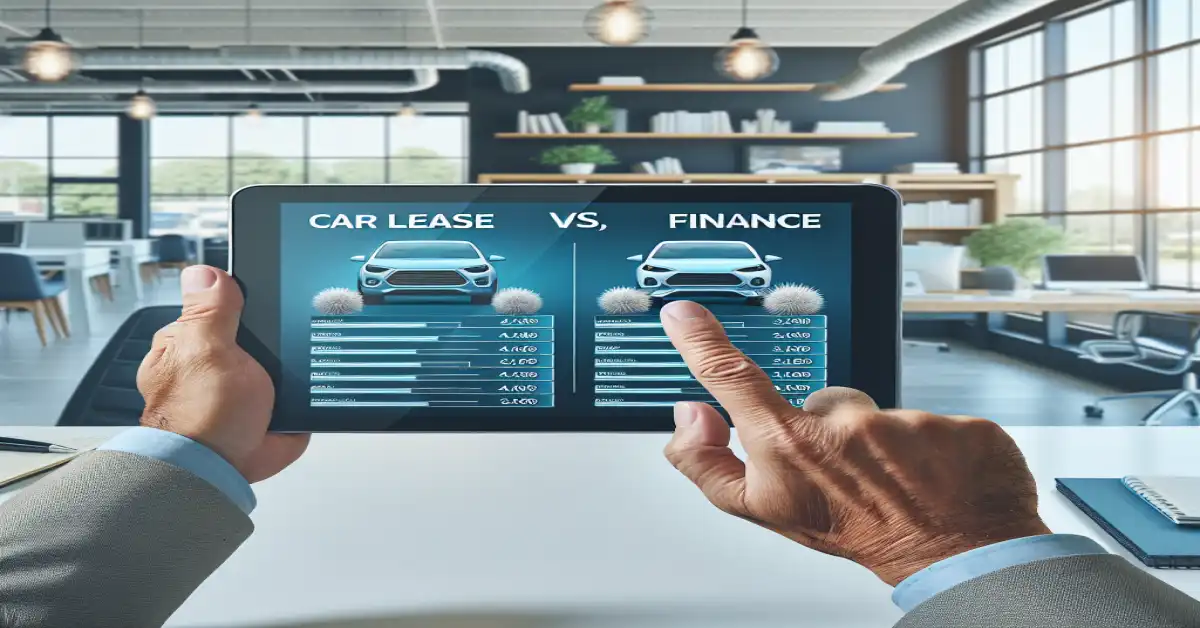
Your friend just asked you, “Should I lease or finance a car for my next upgrade?”
Ever wondered which option saves you money or fits your lifestyle? Not sure which is best for your tech-driven workflow?
This guide walks you step by step through how to decide whether you should lease or finance a car—so you can choose confidently.
💻 Guide on lease or finance a car
🛠 Step-by-Step Instructions
Start by identifying your needs. Do you like driving new cars every few years? Or do you want to fully own your vehicle?
Leasing lets you drive a new car for a set term, typically 2–3 years, with lower monthly payments. You return it at the end.
Financing means you take out a loan, pay monthly, and own the car after the loan is paid off. No mileage limits.
List your priorities: Budget? Tech upgrades? Long-term savings? Maintenance ease?
Research offers from local dealers and online auto financing sites. Use calculators like those found on Consumer Reports and FTC’s Car Financing Guide to compare total costs.
Check your credit score and see what interest rates or lease offers you qualify for. This can influence your monthly payment options.
Read the fine print. With leasing, understand extra mileage, wear-and-tear fees, and end-of-lease options. With financing, ask about early payoff and maintenance responsibilities.
If you want a new car with the latest software every few years, leasing might be for you. Prefer long-term savings? Consider financing.
Test both approaches. Many dealers will run side-by-side quote comparisons for you. Don’t be afraid to negotiate.
⚡ Tips & Best Practices
Always calculate the total cost over the term, not just the monthly payment. Include insurance, taxes, fees, and projected maintenance.
Leasing often includes new-car tech and warranty coverage, which helps if you need the latest features for your workflow.
Financing is often better if you rack up mileage or want to customize your vehicle with productivity add-ons. Ownership gives you more flexibility.
Set reminders for lease return dates to avoid late fees and inspection surprises.
📖 Real-World Examples & Case Studies
Maria leased her hybrid for three years, loving the new features—and never worried about surprise repair bills. She simply swapped for a newer model later.
By contrast, Jamal financed his car, drove it for ten years, and saved thousands—using the extra cash for tech upgrades.
Making the right lease or finance a car decision depends on understanding your tech needs and personal workflow.
Leasing works well if you need new features often. This is ideal for tech professionals who want to stay updated without hassle.
If you drive a lot for work, financing helps you avoid mileage limits and expensive overage charges. Ownership also enables complete customization.
Always use online calculators, such as those provided in PNC’s auto guide. They show true long-term costs, not just monthly expenses.
Check integration options. Some manufacturers offer connected apps for both lessees and owners, boosting your productivity with real-time vehicle data and remote controls.
If you often switch vehicles for business, leasing streamlines upgrades and reduces downtime. You’ll always have up-to-date tech and safety features.
For workflow optimization, automate reminders for lease returns and scheduled maintenance. Use productivity tools like Google Calendar or task managers to stay on top of deadlines.
Don’t overlook used vehicle financing for added value. Pre-owned cars can offer great tech at lower prices, stretching your budget further.
This guide highlights how to align the lease or finance a car process with your workflow for better tech productivity and peace of mind.
Choosing the right approach prevents financial headaches and helps you leverage new software and features efficiently. For more best practices, see Bomnin Chevrolet’s resource.
Regular review and negotiation keep your options open as your tech needs evolve.
Conclusion
Choosing to lease or finance a car shapes your workflow, budget, and daily efficiency. There’s no universal answer, but you can pick the best path for your needs.
By following these steps and best practices, you’ll feel empowered, informed, and ready to make a tech-smart decision—whether you seek flexibility, long-term savings, or the latest upgrades.
For more discussion, explore this lively car thread with real user experiences.
❓ Frequently Asked Questions
Q1: How do I use lease or finance a car effectively?
Start by comparing total costs, understand your tech needs, and match your choice with your workflow. Always read contract details carefully.
Q2: What are common mistakes to avoid?
Don’t ignore mileage limits with leases or hidden fees in loans. Always research offers using resources like Consumer Reports and double-check insurance requirements.
Q3: How can I optimize my workflow with this tool?
Use online calculators, automate reminders for payments or returns, and pick options that minimize downtime and support your productivity goals.
Q4: Where can I find further resources?
Check expert guides at FTC Consumer Advice, Investopedia, and explore user experiences on Reddit for up-to-date tips and solutions.
James is a Tech and Finance writer at Gitledge.com, covering the latest trends in technology, fintech, and digital markets. He focuses on breaking down complex topics like AI, cybersecurity, investing tools, crypto, and modern business finance into clear, actionable insights. His writing is research-based, practical, and easy to understand—built for readers who want smart, no-nonsense information that actually helps.
Frequently Asked Questions
Leasing a car means you're essentially renting it for a few years, while financing means you're working toward owning it. Each option has different costs, responsibilities, and long-term impacts depending on your driving habits and budget.
Leasing may offer lower monthly payments, which can free up cash flow, but financing builds equity over time. Consider your long-term goals like saving for a home or minimizing debt when choosing between the two.
That depends on your risk tolerance and financial stability. Leasing may reduce upfront costs, but financing gives you ownership and more flexibility if market conditions shift. It's helpful to reassess your priorities during economic changes.
With rising car prices and changing interest rates, the cost difference between leasing and financing has become more noticeable. Understanding both options helps you make a smarter choice in a fluctuating market.
Think about how long you plan to keep the car, how much you drive, and your monthly budget. Evaluating your lifestyle and priorities can guide you to the option that supports your financial well-being.