
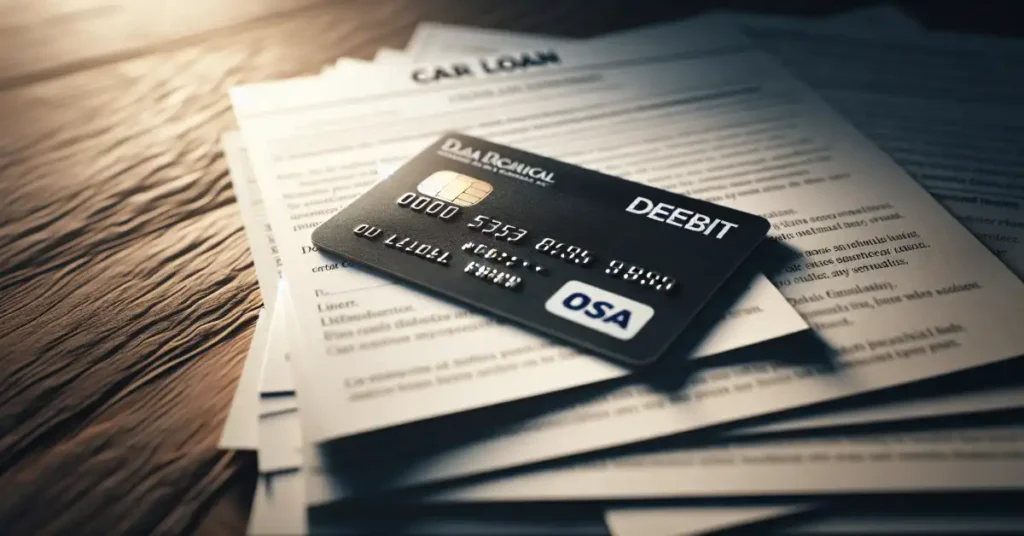
Walking into a dealership, you spot your dream car—but financing options leave you confused. Can you finance a car with a debit card, or do you need other payment methods?
Ever wonder if a debit card is enough for car financing? Are you unsure about down payments or loan approval steps?
This car finance guide gives you clear, practical steps to confidently finance a vehicle—using your debit card the right way.
💰 Guide on finance a car with a debit card

🛠 Step-by-Step Instructions
First, understand what it means to finance a car with a debit card. Usually, dealerships expect traditional financing—like loans from a bank, credit union, or the dealer.
But can you finance a car with a debit card? For most buyers, you can use a debit card for the down payment but not to pay off the full car loan.
Start by asking your dealer if they accept debit cards for down payments. Many do, but check if there’s a daily spending limit on your card. Your bank may need to approve large transactions beforehand.
Once you make the down payment, the remaining balance is financed through an auto loan. That’s when you’ll compare lenders, choose your preferred loan term, and finalize monthly payments. See this discussion on using a debit card for a down payment for real buyer experiences.
Your ongoing car payments usually require a checking account withdrawal, online payment, or sometimes a debit card—but not always. Ask your lender about their payment options. Learn more from this Reddit thread about car payments with debit cards.
If you want to pay the full price of a car with a debit card, it’s rare. Most banks and dealers have transaction caps and fraud protections. However, for down payments, debit cards are widely accepted. For details on down payment pros and cons, check this TrueCar guide.
⚡ Tips to Get the Best Rate
Always compare at least three lenders before you sign anything. This helps you find the best interest rate and lowest monthly payment.
Check your credit score before applying. Higher scores unlock lower rates. Even if your credit isn’t perfect, some lenders offer flexible options. Shop around for rates that fit your situation.
If possible, put more money down up front. This reduces your financed amount, lowering your long-term interest. Learn about the impact of down payments from this comprehensive down payment article.
Ask lenders if you can pay your monthly payments via debit card or if automatic bank withdrawal is required. This keeps your budget predictable.
🧠 Common Mistakes to Avoid
Don’t assume you can use a debit card for the full car price. Most car dealers set debit card transaction limits. Check with your card issuer and the dealership first.
Some buyers forget to ask about fees—dealers may charge a processing fee for large debit transactions. Always ask before swiping.
Don’t skip lender comparison. Even a 1% difference in your APR can add up to hundreds or thousands over your loan term.
Never miss a payment. Late payments hurt your credit score and can increase your interest rate.
For more on making big purchases with a debit card, see this Quora discussion on debit card usage.
📈 How to Improve Your Approval Odds
Boost your approval odds by checking your credit score first. Pay off any small debts or credit cards before applying for financing.
Bring proof of steady income. Lenders want to see stable employment or regular deposits if you’re self-employed.
If your score is low, consider a co-signer or make a larger down payment. Even $500 more up front can tip approval in your favor.
Sarah, for example, saved $1,200 by comparing lenders, and she boosted her approval odds by providing pay stubs and a larger down payment.
📖 Real-World Borrower Examples
Mike wanted to use his debit card for everything, but his bank capped his transaction at $5,000 per day. He coordinated with his dealer and bank for the down payment, then financed the rest.
Lisa improved her approval chances by checking her credit score and applying for pre-approval online. She used her debit card for the down payment, then secured a low-rate loan by shopping around.
Mia discovered she saved $800 in interest by choosing a shorter loan term and increasing her down payment with her debit card. For more real stories, check community finance discussions.
🕹️ Car Finance Insights & Best Practices
Understanding your loan term and interest rate is essential for smart car financing. Even a small rate change can impact your total cost.
Never accept the first offer. Negotiate. Many lenders have room to reduce their APR or adjust terms if you ask.
Longer loan terms mean lower monthly payments, but you’ll pay more in the end. Try to keep your term as short as your budget allows.
Bring a larger down payment. Even if you use a debit card, increasing your up-front payment can help you get better rates. Read more about how down payments affect loans.
Your credit score isn’t the only thing lenders consider. They’ll look at your income, job stability, and the value of the car.
Beware of hidden fees—processing fees, documentation fees, and extended warranty costs all add up. Compare the total price from several lenders. Use lender comparison tools and community reviews on personal finance forums.
If you’re considering alternatives, this Citi credit card guide explains pros and cons of non-traditional payment methods for car purchases.
Always confirm the payment process with your lender. Are monthly payments accepted by debit card, online, or must it be an ACH transfer?
Finally, remember that a car loan is a long-term commitment. Smart choices now help your financial health for years to come. For more hands-on car finance tips, explore discussions on trusted auto forums.
🔍 Common Car Finance Scenarios and Solutions

Car financing can look different depending on your situation. Here are common scenarios and how to handle them:
- Bad Credit: Seek lenders that specialize in subprime auto loans. Compare offers, and consider a larger down payment with your debit card for better approval odds. See debit card car buying tips.
- No Down Payment: Some lenders allow zero down, but you’ll pay more in interest. Try saving for at least a small down payment to reduce costs. For more, read TrueCar’s down payment advice.
- Self-Employed Borrower: Show consistent income through bank statements or tax returns. Lenders want to see stability. For insights, join finance-focused communities.
- Payment with Debit Card: Confirm with your lender if debit card payments are allowed monthly. Some have online portals, but others require ACH. Visit Reddit’s personal finance threads for first-hand experiences.
📝 Lessons & Reflections
Comparing lender offers can save you thousands—don’t settle for the first quote. Even a slight difference in interest rate adds up over time. For more advice, read this discussion on making car payments.
Your credit score matters, but so does your income, loan term, and the size of your down payment. Each factor shapes your rate and approval chance.
Always read the fine print. Ask about every fee and payment method to avoid surprises. For more, check insights on down payments.
Conclusion
Financing a car can feel overwhelming, but you have more control than you think. With the right steps, you can secure a fair rate and manageable payments—even when using a debit card for your down payment.
Remember, your journey is unique. Ask questions, compare lenders, and trust that you can drive away confident in your car finance decision.
For real experiences and more answers about finance, keep learning and stay empowered.

A story-driven tech explainer from Manchester. He opens most articles with a short, relatable scenario — a real problem, a common software issue, or a workflow challenge — to draw readers into the topic before breaking it down.
He doesn’t rush. He explains tech step by step, starting with the problem, then the solution, and finally tips for efficiency. His style blends practical guidance with insights from software trends, productivity hacks, and best practices, so his tutorials feel grounded rather than abstract.
Readers like him because his writing feels like a mini masterclass: engaging, visual, and structured. Perfect for guides on software, coding, tools, and practical tech solutions.
Frequently Asked Questions
Most dealerships prefer traditional financing or certified funds for car purchases, but some may allow you to pay with a debit card, especially for down payments. It is important to check with the seller first to understand their payment policies and any transaction limits.
Using a debit card means you are paying directly from your bank account, which can help you avoid interest charges and debt. However, it also requires having the full amount available and may not provide the credit-building benefits that traditional financing offers.
Using a debit card for a large purchase might trigger fraud alerts or daily spending limits, possibly delaying the transaction. You should contact your bank in advance and confirm the dealership's acceptance policies to avoid potential issues.
Consumers are looking for more flexibility and security in payment options as banking technology evolves. The rise of contactless and digital payments has made buyers curious about alternatives to traditional car loans.
Reflect on your current savings, budget, and long-term financial goals before choosing a payment method. If you are considering using a debit card, check your bank's transaction limits and talk to the dealership about their requirements to ensure a smooth process.