

You want to buy a used car, but finance rates for used cars seem confusing or overwhelming.
Ever wondered if you’re missing out on a better loan offer? Are high interest rates making your budget tight?
This guide will break down the crucial steps, best practices, and simple tools to help you easily compare finance rates for used cars.
💻 Guide on finance rates for used cars

Start by researching finance rates for used cars at different lenders. Visit trusted sites like Bank of America and Bankrate for up-to-date rates.
Check your credit score. Your score directly impacts the interest rate you get. Higher scores often mean better rates and more choices.
Compare rates from banks, credit unions, and online lenders. Try Navy Federal Credit Union for special member rates or local credit unions for community perks.
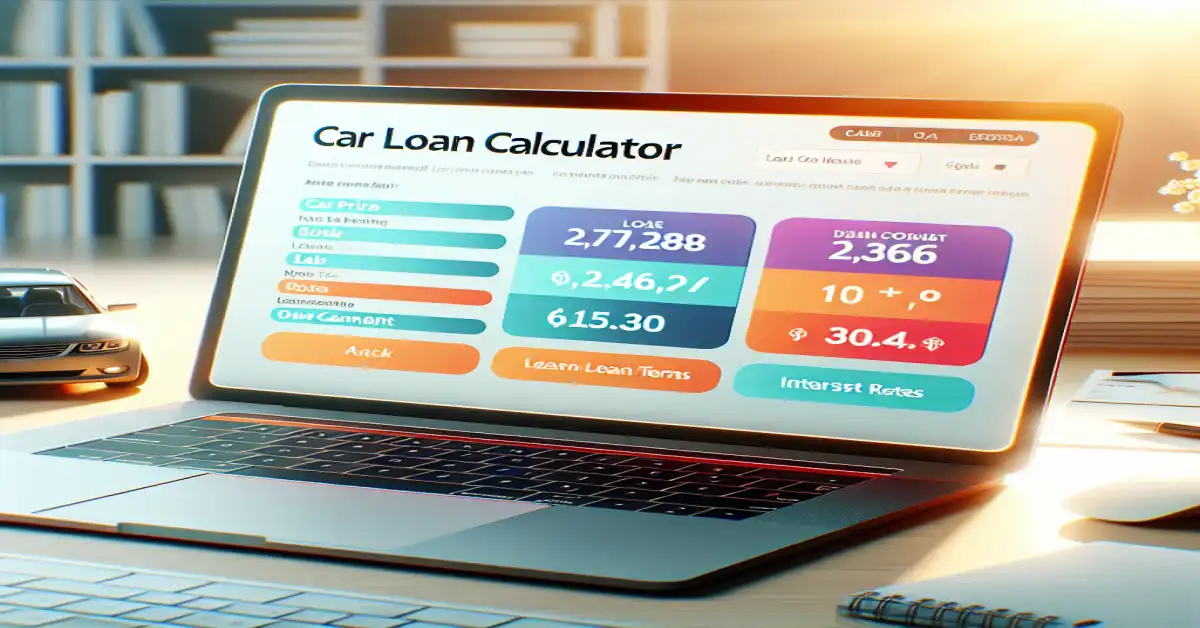
Calculate your estimated monthly payment using an online auto loan calculator. This helps you decide what you can comfortably afford.
Alex wanted to buy a used sedan. By comparing rates, Alex secured a 4% rate instead of 8%, saving hundreds over the loan’s life.
Get pre-approved before visiting any dealership. This gives you bargaining power and helps set your budget.
Focus on the total loan cost, not just the monthly payments. Shorter loans usually have lower rates and save you more in the long run.
Shop during special promotions. Some lenders, like Chase Auto Finance, offer discounts or incentives for certified pre-owned vehicles.
Always read the fine print. Watch for prepayment penalties and fees.
Don’t accept the first offer you receive. Dealers may mark up rates for extra profit.
Sam accepted a dealer’s rate without shopping around and ended up paying thousands more over five years.
Compare at least three offers. Visit Capital One and local lenders to compare side-by-side.
Check the car’s age and mileage. Some lenders charge higher rates for older vehicles or those with high mileage.
Bundle your auto loan with other banking products for rate discounts. Many banks offer loyalty bonuses that lower your APR.
Automate your payments to avoid late fees and qualify for additional rate reductions. Some lenders reduce rates when you use autopay.
Check out PenFed Credit Union for competitive terms, especially if you have excellent credit.
Review your loan annually. If your credit improves, consider refinancing for an even better rate.
Maria used SchoolsFirst Federal Credit Union for her loan. By comparing credit union offers, she reduced her rate from 7% to 4.5%.
Joel checked his average rate by using a tool from NerdWallet and found he qualified for a better offer by increasing his down payment.
Each story shows the power of shopping smart and knowing your options.
🕹️ Tech Insights & Best Practices
Understanding finance rates for used cars is just like troubleshooting any tech problem—it gets easier with the right approach and tools.
First, always verify your current credit status. Sites like NerdWallet help you see how your credit score affects rate offers.
Use loan calculators to visualize your budget. Many banks, like DuPage Credit Union, offer online tools for quick estimates.
Be strategic: Compare rates side by side. Don’t just accept the first “good-looking” rate—dig deeper.
Automate your research by using rate comparison websites. This saves time and lets you find the best match for your needs.
Regularly update your information and review lender policies. Just as with software, outdated data can lead to errors or higher costs.
Remember, the faster you gather accurate information, the smarter and more productive your car-buying journey will be.
Use community tools and reviews. Real stories from buyers at Bankrate can identify lender trends or customer service issues quickly.
Always read each term and condition carefully to avoid hidden costs. This “debugging” step ensures you get the best deal possible.
🔍 Common Scenarios and Solutions

This topic can present different scenarios. Here are some common situations and solutions:
- Low Credit Score: Use a co-signer or increase your down payment. Compare rates at PenFed for flexible options.
- Older Vehicle: Look for lenders, like SchoolsFirst FCU, that finance older cars at competitive rates.
- First-Time Buyer: Credit unions and banks with resources, like Navy Federal Credit Union, offer programs for new borrowers.
- Refinancing: Regularly check rates at Chase to lower your payment if rates drop or your credit improves.
📝 Lessons & Reflections
Shopping for finance rates for used cars takes patience, but using multiple tools and comparison sites pays off.
Remember to use platforms like Bankrate and Bank of America for comprehensive research.
By following best practices, you can save money, avoid costly mistakes, and feel confident in your choices.
Conclusion
Finding the right finance rates for used cars is easier when you use these step-by-step strategies.
Trust yourself to explore, compare, and negotiate. Each step brings you closer to your ideal car and loan.
For more options, visit rates anytime.
❓ Frequently Asked Questions
Q1: How do I use finance rates for used cars effectively?
Research, compare at least three lenders, check your credit, and use loan calculators for budgeting. Pre-approval helps you negotiate better.
Q2: What are common mistakes to avoid?
Don’t accept the first offer. Avoid focusing on monthly payments only. Always check the full loan cost and read all terms carefully.
Q3: How can I optimize my workflow with this tool?
Use online rate comparison sites and calculators. Automate your research and payment reminders. Bundle products for extra discounts.
Q4: Where can I find further resources?
Check reputable sites like Bankrate and Bank of America for updated rates and advice.

A story-driven tech explainer from Manchester. He opens most articles with a short, relatable scenario — a real problem, a common software issue, or a workflow challenge — to draw readers into the topic before breaking it down.
He doesn’t rush. He explains tech step by step, starting with the problem, then the solution, and finally tips for efficiency. His style blends practical guidance with insights from software trends, productivity hacks, and best practices, so his tutorials feel grounded rather than abstract.
Readers like him because his writing feels like a mini masterclass: engaging, visual, and structured. Perfect for guides on software, coding, tools, and practical tech solutions.
Frequently Asked Questions
Finance rates refer to the interest you'll pay on a loan to purchase a used vehicle. They are influenced by your credit score, loan term, and the lender's policies, and can significantly affect the total cost of the car.
Knowing how interest impacts your payments helps you avoid overspending in the long term. Being informed allows you to compare offers and choose a financing option that fits your budget and goals.
It depends on your situation. Rising rates could mean higher costs, but they may also motivate buyers to negotiate better terms or consider alternative options like credit unions or buying outright.
Economic shifts and changes in interest rates from central banks have made borrowing more expensive. This makes it crucial for consumers to pay closer attention to loan terms when purchasing a vehicle.
Check your credit score, research lenders, and get pre-approved if possible. Comparing multiple offers and understanding the full cost of borrowing can help you avoid surprises and make a smarter purchase.