

You need a car, but you’re currently unemployed. Every “no” from lenders makes car buying feel impossible.
Worried your lack of income means you can’t get an auto loan? Not sure if unemployed car finance is even possible?
This guide breaks down how you can secure an auto loan for unemployed buyers—with clear steps to boost your odds and save money.
💰 Guide on auto loan for unemployed
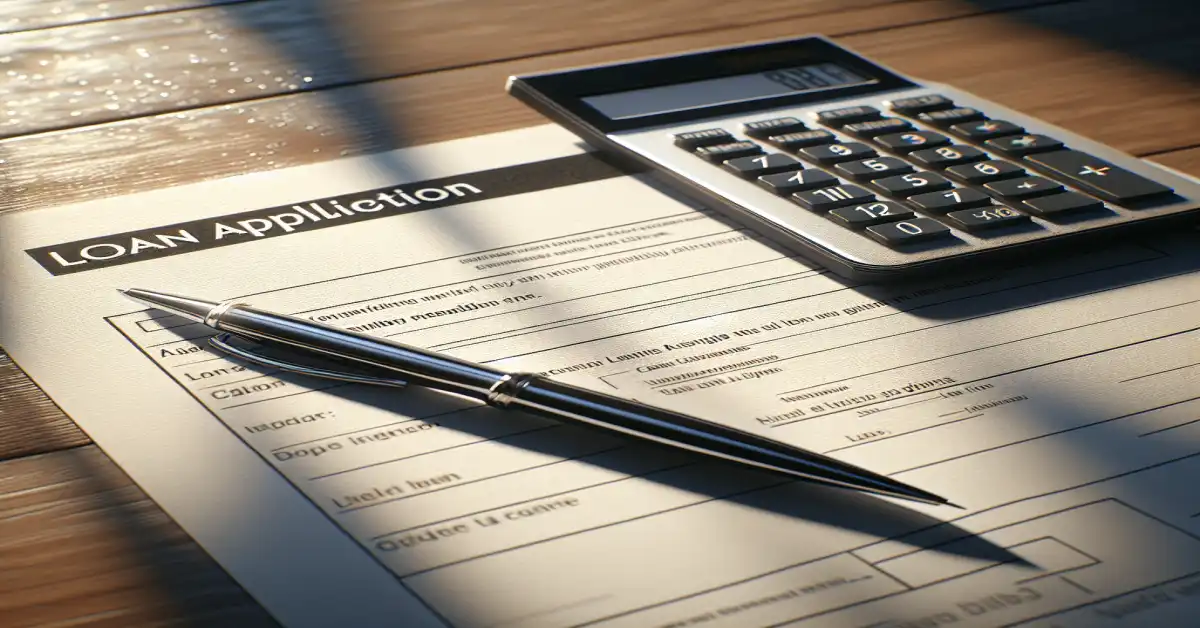
🛠 Step-by-Step Instructions
Start by gathering proof of any income you receive. This may include unemployment benefits, part-time work, Social Security, or child support.
List all your monthly expenses. Lenders want to see that you can handle a monthly payment, even if you’re seeking an unemployed car loan.
Check your credit score. Free tools like Credit Karma can help. Higher credit scores make car finance for the unemployed much easier. (Read more).
Set a realistic budget. Be honest about what you can afford for cars on finance for unemployed buyers. Large down payments can help.
Apply with multiple lenders—including online lenders, credit unions, and specialist finance companies. Sites like Speedway Auto Loan cater to unemployed auto loan seekers.
⚡ Tips to Get the Best Rate
Shop around. Compare interest rates between at least three lenders. Sarah, for example, lowered her rate by 3% by getting pre-approval at her local credit union.
Consider a co-signer with a steady income. This can dramatically increase your chances for approval and reduce your interest rate.
Shorter loan terms can improve approval odds and save on interest over time.
Down payments help. Even $500 down can make a difference for car finance for the unemployed.
Check for special programs. Some lenders accept alternative forms of income. Learn more at Car and Driver.
🧠 Common Mistakes to Avoid
Don’t accept the first offer just because you’re desperate. Unemployed car finance may mean higher rates, but you can always negotiate.
Never overestimate your budget. Focus on what you can truly afford, not just what a lender says you qualify for.
Avoid loans with balloon payments or very long loan terms. These can cost more in the long run.
Don’t hide gaps in your income—lenders can verify employment and benefits, so be honest from the start.
Read the fine print. If you’re unsure about any term, ask questions or consult online communities like Reddit’s r/personalfinance.
📈 How to Improve Your Approval Odds
Add a co-signer, even if it’s just a family member with a small income. Lenders love extra security on car finance when unemployed.
Use your unemployment benefits, savings, or side gig documentation to show ongoing income. More evidence helps build trust with lenders.
Consider no-income verification car loans—but be aware these may have higher rates. (SoFi explains more.)
Offer a larger down payment. It reduces the lender’s risk and can lower your monthly payment.
📖 Real-World Borrower Examples
Michael lost his job but needed a car to get interviews. He used his unemployment proof and a $1,200 down payment to secure a small used car loan.
Sophia’s only income was child support. She found a lender willing to count this, and she used a co-signer to get approval for car finance for unemployed buyers. (CreditNinja offers helpful tips.)
For more creative solutions, see Autorama’s guide on car finance without a job.
🕹️ Car Finance Insights & Best Practices

No matter your employment status, car finance comes down to a few simple rules. Always compare interest rates before you sign anything. Small differences add up to big savings.
Never take the longest loan term just to lower your monthly payment. You’ll typically pay thousands more in interest.
Try to make a down payment—even a modest one. It lowers both your loan amount and your risk to lenders. (Credit Acceptance explains why.)
Your credit score changes your offers. Improving it by just 20 points can lower your rate by 1% or more. (Chase offers details.)
Negotiate everything. Don’t be shy—dealers and lenders expect it. Even unemployed car loan applicants can ask for lower rates or fees.
Think about your long-term finances. The right car finance decision today helps protect your budget for years. Responsible borrowing builds your credit for better future rates.
Specialist lenders exist for car loans for the unemployed. They look beyond just employment history, considering total income and payment history. (Car and Driver covers this.)
Always read every page of your contract. Ask questions about all fees and penalties.
🔍 Common Car Finance Scenarios and Solutions

Car financing can look different depending on your situation. Here are common scenarios and how to handle them:
- Bad Credit: Look for lenders specializing in bad credit auto loans. Large down payments can help. (See more tips.)
- No Down Payment: Some lenders accept no-money-down loans, but expect higher interest rates. Budget carefully for larger monthly payments.
- Recently Unemployed: Use unemployment benefits and any side income. Prepare documentation. See Credit Karma’s guide for more strategies.
- Self-Employed Borrower: Show recent tax returns or bank deposits. Consistent income, even from gig work, helps. For creative ideas, check Autorama.
📝 Lessons & Reflections
Comparing three or more lenders before choosing a loan can save you hundreds or even thousands.
Your credit score is just one part. Lenders also check your full income picture, loan term, and available down payment.
Specialist sites like CreditNinja and Chase offer extra tips for car finance when unemployed.
Conclusion
The right car finance solution exists, even if you’re unemployed. By preparing carefully and comparing options, you can secure the car you need.
Take your time, trust your research, and know that approval is possible—even with gaps in employment or non-traditional income.
Start your journey with the latest advice on finance today.

Frequently Asked Questions
Lenders often look beyond just employment status. They may consider alternative sources of income, credit history, and the size of any down payment. It's helpful to gather documentation showing consistent income or savings before applying.
Yes, lack of employment can add extra hurdles, but it is not always a dealbreaker. Some lenders specialize in unique situations or will consider co-signers and additional collateral. Exploring various lenders and understanding their criteria can improve your chances.
Taking on new debt without reliable income increases the risk of default and potential financial stress. It's important to carefully assess your budget and consider alternatives, like buying a cheaper vehicle or using public transport until your situation stabilizes.
Economic shifts and layoffs have left many seeking transportation solutions without traditional jobs. Understanding your options can help you make informed decisions during periods of uncertainty and mobility remains crucial for job searches or personal needs.
Building a stronger application can involve saving for a larger down payment, improving your credit score, and gathering proof of alternative income. Consider seeking a co-signer or exploring community lending programs tailored to those facing employment challenges.